Small Acts, Solid Objects: Inside Britain’s Painted Rock Escapades
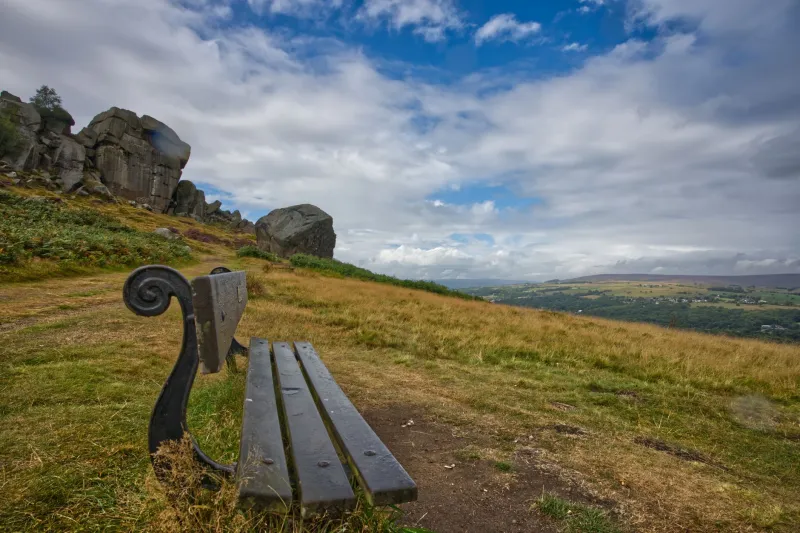
On a damp Tuesday in November, a municipal park in the Midlands offers the usual: wet tarmac, a bin with a gaping mouth, a bench dedicated to someone's nan. And on the armrest, a small painted stone. It is not a rock in the geological sense; it is a pebble from a garden centre, varnished until it shines, bearing a wonky rainbow and the word 'Smile'.
The stone is part of a sprawling, low-stakes, high-enthusiasm habit that has settled into British parks, promenades and village greens. People paint small rocks, seal them against the weather, and leave them where a stranger might find them. The point is not the rock. The point is the interruption.
A Rock Is Not a Revolution
Let's be clear about scale. A painted pebble will not fix the bus timetable, reopen the library or mend a fractured high street. It is not a policy. It is barely a hobby. But it is a solid object with a human trace on it, which is more than most of us leave behind on a walk.
The movement - if that isn't too grand a word for something conducted with acrylic pens and a Tupperware box - runs on local Facebook groups. Search for your town plus 'rocks' and you will find them: photos of stones drying on kitchen roll, clues posted in code, messages from people who found a rock on a wall and felt unexpectedly seen. Some groups have a few hundred members. Some have thousands. The tone is usually cheerful, occasionally baffled, and very British in its refusal to take itself too seriously.
The Rules Are Mostly Varnish
There is no central committee. There is, however, an unwritten rulebook, and it is mostly about not being a nuisance.
Paint both sides. Seal the stone so the rain doesn't turn your masterpiece into a grey smear. Hide it somewhere public but not precarious - a bench, a low wall, a windowsill, a hollow in a tree that isn't home to anything. Don't nail it to a trunk. Don't leave it in a nature reserve where it becomes a foreign object. Don't put it in a private garden, even if the hydrangeas are asking for it. And don't make the hunt so exact that there is no hunt left.
The best clues are just vague enough. 'Near the pond, by the bench with the missing slat' is good. A dropped pin and a photograph of the exact spot is less good. The pleasure is in the half-looking: the glance under a bench, the pause by a gate, the moment you spot a flash of colour where colour shouldn't be.
Finders, Keepers, Rehiders
Then comes the great doctrinal split. What do you do when you find one?
Some groups insist you keep it. The stone was left for you, after all. Take it home, put it on a shelf, let it be a small talisman. Others say you should rehide it for someone else, passing the kindness along like a library book with no due date. A third faction suggests photographing it, posting it in the group, and then putting it back exactly where you found it, which feels a bit like interviewing a hedgehog.
There is no wrong answer, which is part of the charm. The only real rule is: don't be weird about it. Don't take the whole cache. Don't sell them on eBay. Don't turn a gentle thing into a transaction.
The Council Will See You Now
Not everyone is charmed. A few councils have grumbled about painted stones, usually under the headings of litter or graffiti. One or two have asked groups to stop leaving them in certain places. The complaints are rarely dramatic, but they reveal the odd way we treat public space: a bench is communal, but a stone on a bench is suddenly a matter of policy.
Most groups respond with a shrug and a tidy-up. They remove stones from sensitive sites, agree to avoid memorial gardens, and carry on elsewhere. It is a very British kind of compromise - no barricades, no petitions, just a quiet adjustment and a fresh coat of varnish.
Why a Stone Works
The obvious question is why such a tiny gesture lands at all. We are not short of messages. Our phones are full of them. But most arrive with a demand attached: reply, react, read, click, compare. A painted rock asks nothing. It sits there, cheerful and slightly ridiculous, and waits to be noticed.
It is also local in a way that social media is not. The person who painted it probably lives nearby. The person who finds it probably lives nearby too. For a second, the park becomes a small room with a surprise on the table. You don't have to know anyone's name. You just have to look down.
And there is something satisfying about the object itself. A stone is heavy, ordinary, cheap. Painting one is not a grand creative act. It is the kind of craft you can do at the kitchen table with a child, a grandparent or a glass of wine. The results are often wonky. That is fine. Wonky is part of the point.
The Kindness Quarry
The best ones are not the most elaborate. They are the ones that feel like a note passed in class: 'You've got this.' 'Keep going.' 'Hello.' A rainbow. A bee. A bad pun. A stone with a single word on it, placed on a bench where someone might sit because they need to sit.
As the nights draw in and the parks empty earlier, the painted stones keep turning up. They are a small, solid reminder that someone was here, thought of a stranger, and left something behind. It is mischief of the gentlest sort. And if you find one, you are allowed to smile. You are also allowed to put it back.