Missing: One Glove. Reward: Nothing. Notes from Britain’s Railings
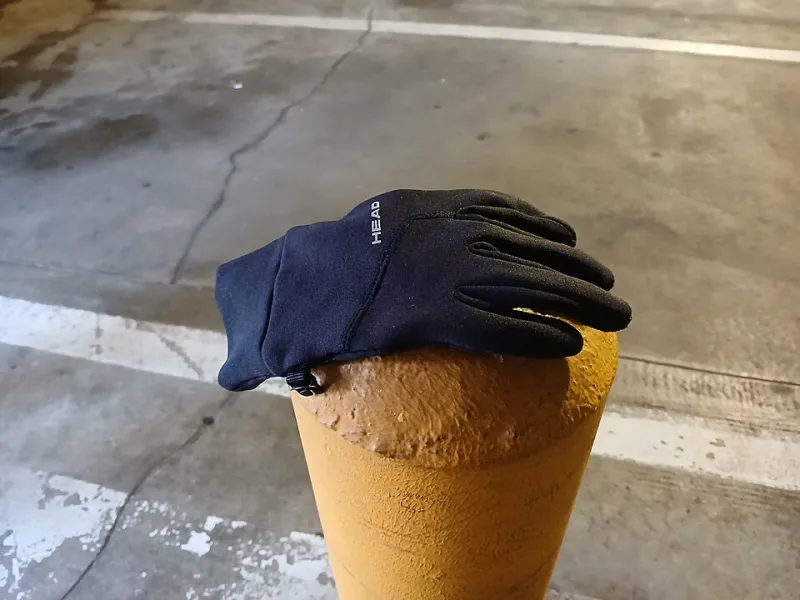
Photo: Ser Amantio di Nicolao, CC BY-SA 4.0, via Wikimedia Commons
Somewhere on a stretch of railings between a churchyard and a bus stop, there is a glove. It is not a pair. It has been there since roughly the last cold snap, pegged over a spike like a small, sad flag. Nobody knows who it belongs to. Everybody on the street has, at some point, adjusted it so it doesn’t slide off.
This is not an unusual sight. Walk any British high street, cut through any rec, loiter by any school gate in February and you will find the same quiet exhibition: one glove, one scarf, the occasional sock, a hat that has clearly seen things. They are placed, not dropped. They are arranged, not abandoned. And they stay there for weeks, sometimes months, waiting for an owner who may never come back.
The Railing Gazette
The single glove is Britain’s most modest civic institution. There is no plaque, no committee, no laminated notice explaining the rules. There is just a glove, a fence and an unspoken agreement that it should be left alone. Someone found it on the pavement, recognised it as a thing of value, and rather than bin it or pocket it, they hooked it onto the nearest vertical surface. Job done. The rest is trust.
You see them in all weathers. A woolly mitten gone stiff with rain. A leather driving glove with one finger curling upwards, as if making a point. A child’s glove in fluorescent pink, clipped to a post box with a clothes peg someone must have brought from home specifically for the purpose. That last detail is the one that gets me: the foresight. The quiet planning. The idea that a stranger anticipated a lost glove and came prepared.
A Short Taxonomy of the Waiting Glove
There are, roughly speaking, three types. The fresh arrival: still soft, still paired-looking, placed at eye level on a railing with almost ceremonial care. The veteran: faded, slightly chewed by weather, flattened into the shape of the fence it sits on, arguably now part of the streetscape. And the mystery item: a single sock, a scarf, a lone trainer, an item so specific and unclaimed that it has passed through lost property and out the other side into local folklore.
The etiquette is straightforward but real. You do not take the glove. You do not move it to a better railing. You may, if it has slipped, nudge it back into position. You may wonder about it. You may mention it to a neighbour: ‘Has anyone lost a glove? Blue one, by the lights?’ And the neighbour will say no, but they will also start noticing it, and that is the point. The glove becomes a shared reference. A tiny landmark. The street’s most low-stakes conversation starter.
Etiquette for the Unclaimed
There is a thrift to this that feels deeply British. Nothing is thrown away if it might still be useful. Nothing is claimed if it isn’t definitely yours. The glove sits in a kind of civic limbo: too good to bin, too specific to donate, too small to bother the police about. So it goes on the railing, and the railing becomes a noticeboard for the intangible.
It also says something about how we watch each other. Not in a nosy way, but in a low-level, peripheral way. Someone saw that glove fall. Someone picked it up. Someone chose a spot where the owner might retrace their steps. That is neighbourhood watchfulness without the WhatsApp group, the Neighbourhood Watch sticker or the passive-aggressive note. It is optimism in glove form.
And it is optimistic, when you think about it. The person who hooks a mitten onto a fence is betting that the owner will come back, that they will recognise the spot, that the glove will still be there. In a world of lost-property apps and Facebook groups, this is a slower, stranger, more human system. It relies on memory, geography and the kindness of strangers who have no reason to help.
Why We Do It
Part of it is thrift. A glove is not nothing. It cost money, it keeps a hand warm, and binning it feels wasteful in a way that binning a receipt does not. Part of it is habit: we are a nation of people who put things on walls in case someone comes back for them. Part of it, I think, is the simple pleasure of doing a small good deed with no expectation of thanks. The glove is a message in a bottle. The fence is the sea.
There is also a creative mischief to it. A row of railings with three gloves, a scarf and a dog lead is a strange little installation. It is accidental public art. It tells you something about the street: that people walk here, that they lose things, that they bother. It is the kind of thing Madhuwan likes to notice — the happenings that aren’t staged, the stories that write themselves on the way to the bus stop.
The Long Goodbye
Eventually, most gloves disappear. Someone claims them. Or the weather takes them. Or a council cleaner, following orders, scoops them into a bin bag and the street looks suddenly tidier and slightly sadder. The railing goes back to being a railing. The landmark is gone. And then, a week later, a new glove appears, a few metres along, and the whole quiet drama begins again.
So next time you pass a lone glove on a wall, don’t laugh. Don’t move it. Just note it, the way you’d note a good bench or a well-placed sign. It is a small, damp, unglamorous act of faith. And it is, in its way, one of the loveliest things on the street.