Lid Closed, Reputation Intact: The Quiet Theatre of British Bin Day
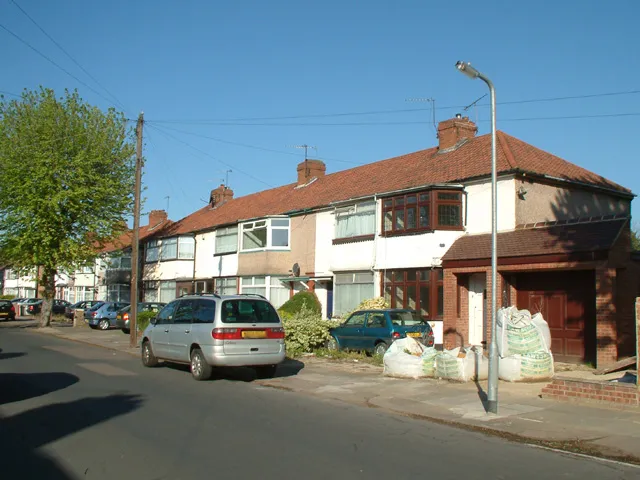
Photo: Stephen Dawson, CC BY-SA 2.0, via Wikimedia Commons
At 6:58 on a Tuesday morning, a street in Britain performs its oldest silent ballet. Curtains twitch. A door clicks. Somewhere, a wheel squeaks. The bins are already out — or they are not, and that is the whole story.
Bin day is not really about waste. It is about who we are when nobody is watching except everyone. It is a low-stakes, high-visibility test of neighbourly competence, and it happens every week whether you are ready or not.
The pre-dawn intelligence network
Long before the lorry appears, the street has gathered its intelligence. Someone knows the collection has been moved because of a bank holiday. Someone else has seen a council leaflet. A third person claims the recycling is now fortnightly, which is either true or a rumour designed to cause chaos in the cul-de-sac.
This is the domain of the binfluencer: the neighbour who always knows. They are not elected. They are not thanked. But they are the street’s unofficial press office, and their WhatsApp message — ‘Bins are tomorrow, not today, don’t blame me’ — has the force of law. Ignore them at your peril. The binfluencer remembers who put out a bin on the wrong day, and they will mention it at Christmas.
The rules nobody wrote down (but everyone enforces)
There is no official rulebook for bin day, which is precisely why everyone is so certain about the rules. The basics are simple: put the right bin out, at the right time, in the right way. The details are where civilisation begins to fray.
The bin must face the road. Or away from the road. Or sideways, depending on which neighbour you ask and how long they have lived here. The handle should point towards the house, unless it is a recycling week, in which case the lid hinge is the tell. Nobody agrees, and yet everyone judges.
A lid that will not close is a confession. It says: I have lived beyond my bin capacity, and I have chosen not to admit it. The correct response is to flatten, fold, squash and — if necessary — perform a small act of bin ju-jitsu on a pizza box. The incorrect response is to balance a bin bag on top and hope the wind takes it. The wind will take it. The wind always takes it.
Contamination is the great sin. A greasy pizza box in the recycling is not a mistake; it is a character flaw. A battery in the general waste is a crime scene waiting to happen. A nappy in the garden waste is a diplomatic incident. The bin police — usually a retired neighbour with a clipboard and a strong sense of civic duty — will spot it. They always spot it.
And do not block the pavement. A bin across the path is a small act of urban warfare, especially for anyone with a pram, a walking stick or a dog that has strong opinions about wheelie bins. Leave a gap. It is not complicated.
The favour economy
Here is where bin day becomes genuinely interesting. Bringing someone else’s bin in is the lowest-stakes intimacy we have. It is a small, visible kindness that says: I noticed you, I know your schedule, and I have chosen to be useful.
But it is not a free-for-all. There are codes. Only bring in the correct bin. Do not bring it in too early — a bin brought in before collection is a hostage situation, not a favour. Do not move it far from where it was left, because the owner has a system. Do not rearrange the recycling. And never, under any circumstances, bring in a bin you cannot identify by sound, shape or house number. There is no quicker way to start a cold war than returning the wrong wheelie bin to the wrong driveway.
The text that follows is part of the ritual: ‘Brought your bin in — M.’ It is not a request for thanks. It is a receipt. You now owe them a small, unspecified favour forever. This is how streets work. Not through grand gestures, but through bins.
Small rebellions and quiet scandals
Bin day is also a showcase for quiet rebellion. The extra bag. The side waste. The cardboard that has been folded into a shape that defies both physics and council policy. The note from the council taped to the lid — ‘Please remove’ — is a public shaming, and everyone pretends not to read it.
Then there is weather-proofing. A brick on the lid is a commitment. A bungee cord is a personality. A paving slab is a statement of intent. In high winds, the whole street becomes an engineering project, and the person whose lid stays put is quietly respected. The person whose lid ends up in next door’s hedge is quietly pitied. The person whose bin has blown into the middle of the road is the subject of a group chat.
And there is the bin day face: the neutral expression worn while standing at the window at 7:02, pretending to be interested in the weather while actually watching a neighbour walk down the drive in a dressing gown. We have all worn it. We have all been seen wearing it.
The lorry as audience
The arrival of the bin lorry is the climax. The diesel rumble, the hydraulic sigh, the clatter of a hundred lids. The crew are the only audience that matters, and they are not impressed. They have seen it all. They have seen your overfilled bin. They have seen your contaminated recycling. They have seen your neighbour’s bin placed exactly two inches too far from the kerb, and they have driven past it.
A wave to the bin crew is the closest Britain gets to a parade. A thumbs-up is extravagant. A nod is enough. The bin crew do not need your gratitude, but they receive it anyway, silently, from behind net curtains.
Why it matters
Bin day is a rehearsal for citizenship. It is small, repetitive and visible. It asks you to follow rules you did not write, to tolerate people you did not choose, and to bring in a bin that is not yours. It is a social contract on wheels, and it is renewed every week.
So next time you hear the rumble, do not think of it as waste management. Think of it as neighbourhood theatre. Bring in the right bin. Leave a gap on the pavement. And if you see the binfluencer, nod. They have been expecting it.
Madhuwan salutes them. Especially the ones with a brick.