No Points, No Clue, No Problem: The Rise of the Rule-Free Pub Quiz
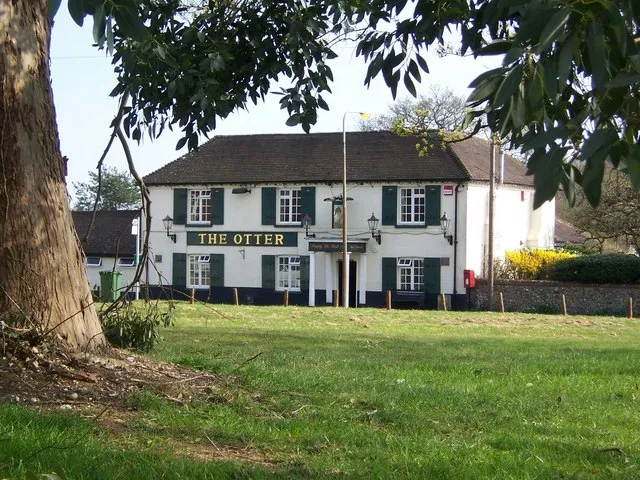
Photo: Robin Baker, CC BY-SA 2.0, via Wikimedia Commons
There is a moment, usually around question four, when the traditional pub quiz dies. The room goes quiet. Someone’s nan is doing sums on a beer mat. A man in a fleece is arguing about the offside rule. The quizmaster is reading out a question about a sitcom that ended before most of the room was born, and everybody is pretending to care. It is not a night out. It is an exam with lager.
Which is why the anti-quiz feels like such a relief. Across the UK, pubs have started ditching the clipboard and the carefully photocopied answer sheet in favour of something stranger. No points. No real prizes. Questions that may not have answers. Forfeits. Rounds that collapse halfway through. And, crucially, a room full of people laughing rather than quietly resenting the person who knows the capital of Kazakhstan.
The clipboard has had its day
Let us be clear: the traditional pub quiz is not the enemy. It has its pleasures. It gives a wet Wednesday a shape. It lets people discover that their friend is unnervingly good at naming rivers. But it also has a tendency to become a small ceremony of humiliation, where the same team wins every week and everyone else is just there to make up the numbers.
The anti-quiz takes the format and sets it gently on fire. A pub in Sheffield runs a round called Lies About the Landlord, where every answer is a fabricated fact about the man pulling the pints. A Bristol boozer has a round where teams are rewarded for the most confidently wrong answer. A Carlisle pub once staged a quiz where the quizmaster refused to reveal the correct answers because, in his words, 'it would spoil the mystery'. Nobody complained. Nobody could remember the questions.
What the anti-quiz actually is
The anti-quiz is not a quiz. It is a shared hallucination with crisps. It borrows the furniture of a quiz night — teams, rounds, a microphone that half works — and then removes the point. The joy comes from the collapse of the rules rather than the triumph of knowledge.
Good anti-quiz rounds are impossible, silly or actively unfair. A question might be: what is the fourth most popular flavour of crisps in a town you have never visited? Or: name a song that sounds like it should be played at a wedding but is secretly about a parking dispute. Or: describe the colour of Tuesday.
The best nights have no prizes, or prizes so useless they become trophies. A single oven chip. A laminated photograph of a turnip. A mug that says SECOND PLACE on one side and WORLD’S BEST QUIZMASTER on the other. The point is not to win. The point is to be in the room when somebody has to stand up and sing the first line of the pub’s least popular karaoke song as a forfeit.
Rounds to try at your local
If you fancy staging your own small act of quiz-related mischief, start with something low-stakes. The Wrong Answer Round is a classic: teams score a point only if their answer is wrong. The Landlord’s Lies is easy to prepare and produces excellent nonsense. The Mystery Object Round involves passing a bag around the pub and asking teams to identify something that is definitely not what it seems. A silent round, where no one is allowed to speak, is either brilliant or a disaster, which is the same thing.
Forfeits should be mildly embarrassing, never cruel. Wear a tea cosy. Buy the quizmaster a packet of salt and vinegar crisps. Deliver the next question in the style of a disappointed headteacher. Swap one team member with another team. There is a fine line between mischief and a complaint to the landlord, and it is usually marked by whether everyone is still smiling.
Why chaos is the point
The anti-quiz works because it takes the pressure off. You do not need to know anything. You do not need to be clever. You just need to be willing to sit in a slightly sticky back room and take part in something that will not matter tomorrow. In a country that often treats leisure as another thing to be good at, that is quietly radical.
It also makes a better night out. The traditional quiz has a tendency to split the room into winners and the rest. The anti-quiz makes everyone a co-conspirator. The quiet person at the end of the table becomes the one who invents the best wrong answer. The team that cannot name a single capital city wins the forfeit round. The quizmaster becomes a ringmaster rather than a judge.
And because there are no points, there is no post-mortem. Nobody leaves arguing about question seven. Nobody accuses anyone of cheating. Nobody goes home to google the answer and feel cheated. They go home with a story about the time the pub quiz ended in a singalong and somebody’s dog ate the answer sheet.
A small manifesto for the clipboard-free pub
If you are thinking of trying it at your local, keep it simple. Check with the landlord first. Do not block the fire exit. Do not force anyone to drink. Do not make a forfeit out of a stranger’s dignity. Keep the questions weird but not mean. Have a fallback plan for when a round dies on its feet, which it will.
And remember: the anti-quiz is not about being clever. It is about being together in a room with a microphone, a few terrible ideas and a shared willingness to see what happens. It is the ultimate British night out because it is slightly shambolic, entirely unpretentious and over by closing time.
So next time you see a pub advertising a quiz with no prizes and an unreliable quizmaster, go. Take a team. Take a pencil you will not use. Order some chips. The questions will not make sense, the scoring will be arbitrary, and somebody will end up wearing a tea cosy. That is not a bug. That is the whole point.