Why Britain's Best Night Out Is a Wobbly Chair in a Village Hall
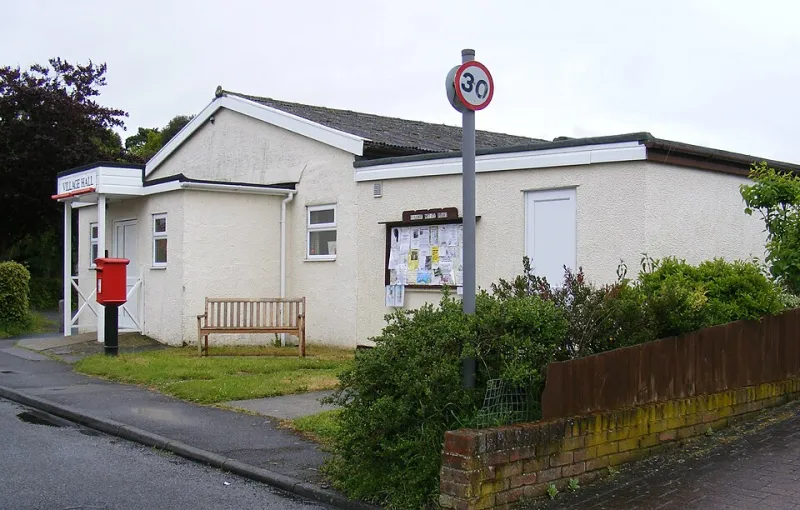
Photo: Geographer , CC BY-SA 2.0, via Wikimedia Commons
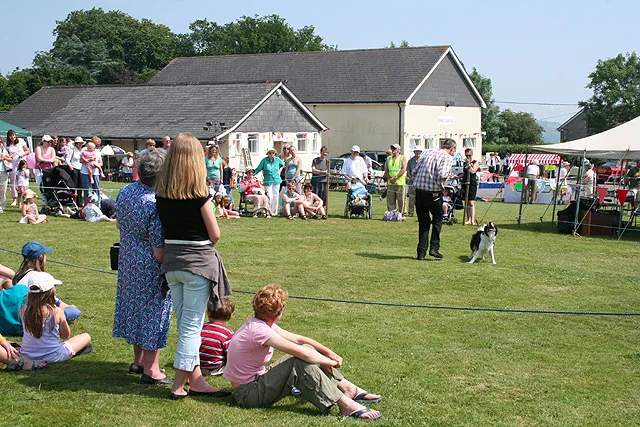
There is a particular sound in a village hall before a show begins. It is the scrape of stackable chairs, the clink of a tea urn, and someone in the kitchen asking whether the raffle tickets have gone missing again. It is not the sound of a slick venue. It is the sound of people making something happen because they want it to happen.
In 2026, that sound is everywhere. Pub theatres are selling out midweek. Church halls are hosting comedy nights that would have been fringe events five years ago. Community radio stations are becoming the best place to hear a local band before anyone else does. The interesting night out has moved down the road, into rooms with bad acoustics and good intentions.
The slick stuff has gone stale
Big venues still do big things well. But there is a growing fatigue with the same polished offer: the same touring show, the same drinks prices, the same sense that the evening has been focus-grouped before it reaches you. Audiences are not abandoning professionalism. They are looking for evidence that something is alive. A slightly wobbly chair is evidence.
A pub theatre has to earn its audience every night. The room is small, the bar is close, and the actors can hear you unwrap a sweet. That proximity creates a different contract. You are not a consumer at the end of a dark auditorium; you are in the room with them. It makes the stakes feel real, even when the play is nonsense.
The charm of the almost-accident
Community arts have a reputation for being worthy. The best of them are not worthy at all. They are funny, strange and occasionally disastrous in a way that makes you lean forward. A church-hall gig might have a brilliant folk singer, a teenager doing their first stand-up set and a ukulele group who have misunderstood the tempo. That mix is not a bug. It is the point.
The scruffy-stage renaissance is also a reaction to the cost of being entertained. A night at a pub theatre can still cost less than a cinema ticket and a bag of popcorn. A community radio station asks for nothing but your attention. Open-mic nights are free or nearly free, and they offer something streaming cannot: the possibility that the person holding the microphone might be extraordinary, or might forget their words, and either way you will remember it.
Three kinds of rooms doing it right
The pub theatre upstairs. London's King's Head Theatre in Islington is the grandparent of the form, but the model is thriving elsewhere: a room above a pub, a short run, a bar that does not need to pretend it is a cocktail lounge. The Wardrobe Theatre in Bristol and the Old Joint Stock in Birmingham show how a small room can host work with real ambition. Look for venues with a programme that mixes new writing, comedy and the occasional terrible idea.
The church hall with a licence. Not every church hall is a venue, but the ones that are have become quietly essential. They host folk clubs, film nights, repair cafés and comedy gigs. The atmosphere is different from a pub: bring your own wine, sit where you like, and expect a noticeboard advertising a jumble sale. The lack of cool is the appeal.
The community radio station. Stations such as Bradford's BCB Radio and London's Resonance FM have long proved that local broadcasting can be more adventurous than national playlists. In 2026, community radio is a live venue too: sessions, interviews and strange late-night shows that feel like a conversation you have stumbled into. It is entertainment made by people who are not trying to scale it.
How to find your local scene
The secret is not a secret app. It is noticing. Parish newsletters, library noticeboards, the window of the deli, the card table by the till in a hardware shop — these are the real listings pages. Search for your town plus open mic, pub theatre or community radio, and then check the venue's own social feed rather than a generic listings site. Follow the person who runs the night, not just the night itself.
Go on a Tuesday. Big weekends are for the polished stuff; Tuesdays are for experiments. Arrive early enough to buy a drink and read the room. Sign up to the mailing list. If there is a raffle, buy a ticket. If there is a bucket, put something in it. These small acts are how a scene stays alive.
The etiquette of the scruffy stage
Do not talk through the quiet bits. Do not film without asking. Do not treat the interval as a chance to take calls. Do buy a drink, even if it is just a lime and soda. Do laugh when something is funny and stay quiet when it is not. The contract is simple: the performers are giving you something homemade, and you are giving them your attention. That is the whole transaction.
Madhuwan's view is that this is not a nostalgia trip. Village halls are not quaint relics; they are flexible rooms that can become anything from a comedy club to a cinema to a polling station. The renaissance is not about pretending the past was better. It is about using what we already have, with the people who are already here, to make an evening that could only happen in this place.
So next time you are planning a night out, look past the city centre. Find the hall with the wonky sign. Sit on the wobbly chair. Watch the thing that might not work. In 2026, that is where the interesting stuff is happening — just down the road, made by someone you might bump into at the shop tomorrow.